


Punishment, self-growth and finding the real lessons in the wake of adversity and trauma
Connect with the art of learning after internalising negative experiences
By Sharon Jones | 11th Sept, 2025 | Researcher; Educator; Speaker; Author ©
Adversity, trauma and self-growth
When adversity and trauma are experienced and internalised in harmful ways, they reshape how we interpret ourselves, others and the world around us. In an environment where mistakes are met with a form of disappointment, anger or punishment, the natural process of learning, once rooted in curiosity and imagination, becomes a process driven by fear and survival. Unresolved trauma often leads to the development of maladaptive beliefs and behaviours, such as perfectionism, emotional withdrawal, or hypervigilance. Over time, a distorted self-perception shaped by shame and emotional numbness can become a baseline, making it difficult to move beyond mere survival.
.
As negative experiences accumulate, learning becomes associated with failure and failure with punishment, ultimately reinforcing the belief that such outcomes are deserved. Sadly, this mindset can follow us throughout our lives, in everything we do and into those conversations we have with self. For instance, an adult who experienced childhood abuse might internalise a belief that they are unworthy of love or support, leading them to avoid intimacy and struggle with trust in both personal and professional settings. On the flip side to this, they may even overextend themselves in an attempt to prove their value.
When punishment distorts self-growth
The effects of punishment especially during times of adversity and trauma can be deeply damaging, often magnifying the emotional impact of an already distressing experience. When we are punished, whether through criticism, rejection or harsh consequence, while already feeling emotional pain, the message internalised is often that our struggle is wrong or unacceptable.
Over time, punishment in the face of adversity teaches us not to seek support or express vulnerability, often reinforcing the belief that we must endure hardship alone. Research highlights how punishment, especially when frequent, harsh, or poorly justified, distorts self-growth by undermining self-esteem, emotional regulation and sense of agency (Psychology Today, 2025; World Health Organisation, 2025). These patterns profoundly shape how we perceive ourselves and rather than internalising constructive lessons, we learn to anticipate harm and avoid risks. We adapt and our coping mechanisms protect us in the moment but ultimately hinder deeper self-awareness and development. Self-punishment may present itself in self-sabotaging behaviours such as with overworking, overspending, alcohol and/or drug misuse. It can present itself as a cognitive distortion such as believing good things don’t happen to you. You may also become aggressive, reactive or try to control others or something in your environment. However it shows up, you can’t rest.
In another blog, I wrote about being silenced in childhood because speaking out would’ve resulted in unimaginable consequences. Following this however, meant I had developed the belief that I didn’t deserve better or something different; something that continued long into my adulthood. I had learned to anticipate punishment and accepted my coping mechanisms as all I knew. I would avoid conflict, shut down emotions, people-please and even make myself invisible at times. This was how I survived. It was necessary. Having spent many years silenced, I became an observer until one day, everything I had internalised started bubbling under the surface and I needed to make sense of what it was I was feeling; I needed to understand why my coping mechanisms were no longer keeping me safe.
The art of learning the ‘real lessons’ for self-growth
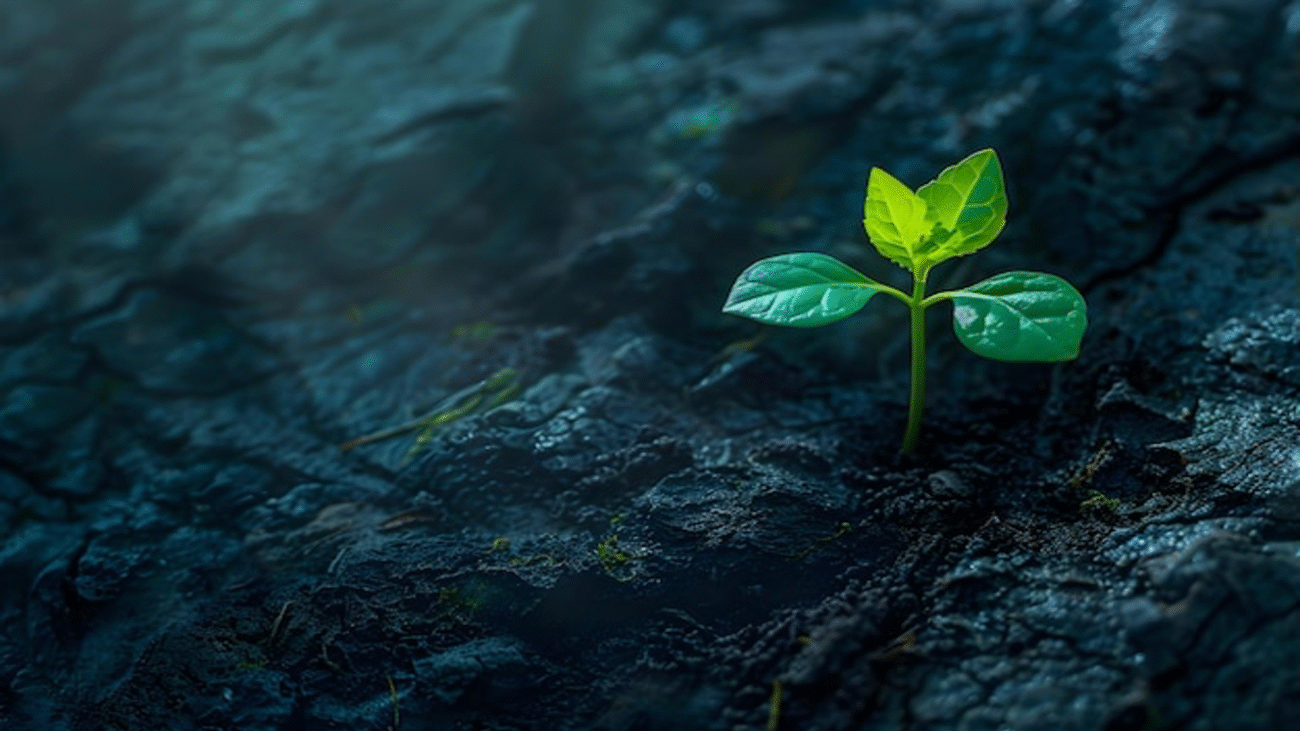
Punishment tends to be confused with growth in the sense that if we hurt enough we think change will come. How often have you heard yourself say when I’ve suffered enough, things will be better or I need to be harder on myself for things to improve. Learning the real lessons for self-growth is a different kind of beginning, a beginning we never knew we could start from. When we hit a turning point after all the wreckage of what we thought we knew, something quieter arrives. Not peace, not yet. But space. Space to begin questioning was this pain just punishment or something much deeper?
Connecting with the art of learning begins when we recognise the difference between what we’ve learned to survive and what we can learn to truly thrive. This process takes time. Letting go of our self-judgement can only fall away when we become aware of our pain and start to understand its’ roots – the hows’ and whys’. It’s through this awareness, contextualisation and deep reflection that real transformation can happen.
As we connect to the real lessons, we start to piece together parts of ourselves that were buried, abandoned or silenced. We learn that we were never broken but rather how we carried ourselves through the breaking. We are not meant to remain stuck in the shadows of what hurt us, punishment is not the end and the more lessons we truly learn the more we move from survival mode into a process of growth. This isn’t always easy to grasp and it’s possible to take one step forward and two steps back as you define your worth. There are many ways that can help with this process such as through supportive environments with someone who understands you, whether personally or professionally, through therapy or trauma-informed education for example. You have to find what works for you and when you do, you reinterpret mistakes or punishment not as threats but as invitations to understanding self, more deeply. This shift enables real lessons to emerge. Growth doesn’t happen overnight; it requires patience and emotional risk.
I realised this after I had spoken out for the first as an older adult. Everything I’d internalised, the shame, the self-judgement, flushed to the surface from those first spoken words but I wanted, needed, to understand me. I pushed through, determined to reach depths I didn’t think possible. There were times when I felt nothing but knew I should feel something, highlighting how broken I believed I was. But in those moments, I craved authenticity. Each time I revisited painful memories, it wasn’t to relive them, it was to uncover the survival strategies that once protected me but had become a limitation. I began to see how punishment had taught me to fear my own needs, how silence became my shield and how my disconnect masqueraded as my strength. Slowly, through talking, reflecting, support and self-education I started to feel myself without judgement. I was learning again but this time, not through punishment or the fear of getting it wrong but through the freedom of discovering my deeper self.
As you choose to make meaning out of the mess; to listen to wisdom beneath the noise, you grow; you really grow. You come through your pain and no longer see things as punishment. You realise who you are becoming and that the lesson was never about the fall, it was always about how you found your way back to rewrite the chapter and start anew.
References
Psychology Today., 2025. Punishment. [online] Available at: https://www.psychologytoday.com/gb/basics/punishment [Accessed 12/8/25].
World Health Organisation., 2025. Corporal punishment of children and health. [online] Available at: https://www.who.int/news-room/fact-sheets/detail/corporal-punishment-and-health[Accessed 12/8/25].